


The future energy system must support not only industry and economic growth, but also communities and future generations. Emerging technologies, distributed energy systems, and community-based solutions can improve affordability, resilience, and energy access.
Aotearoa New Zealand is at a pivotal moment in its energy story. But the conversation in boardrooms and policy circles tends to focus on megawatts and market structures. We think the harder question – and the more important one – is: who actually benefits?
At Tonkin + Taylor, we work across the full spectrum of energy infrastructure: from transmission corridors to community microgrids and virtual power plants, from resource consenting to climate adaptation. What that breadth teaches you is that technical solutions exist. The bottleneck is almost always human – in how decisions are made, who is at the table, and whose resilience gets treated as optional.
Energy resilience built from the ground up
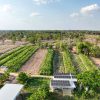
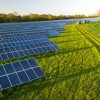
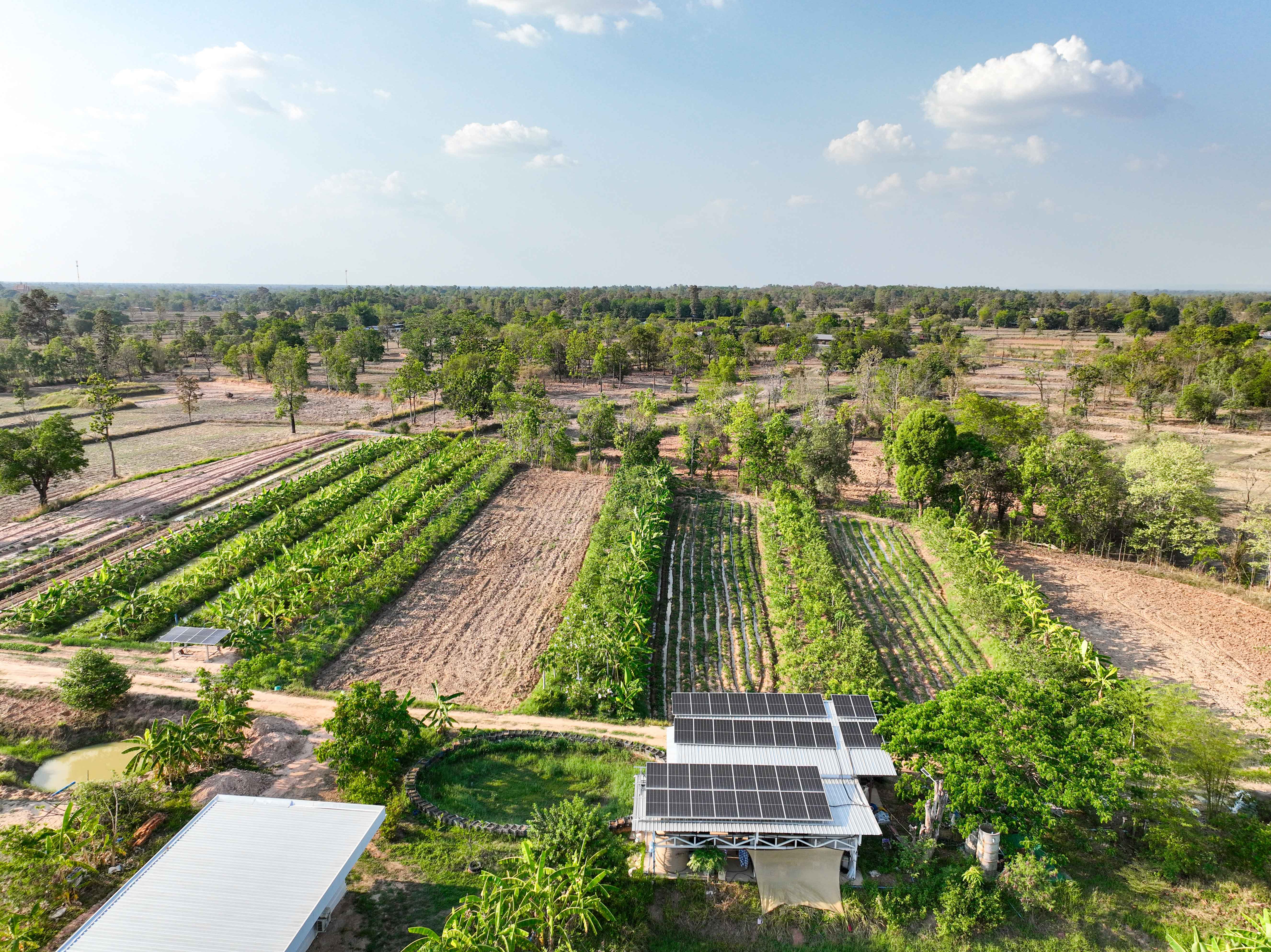
Distributed energy technologies – local solar, battery storage, microgrids – are no longer experimental. They are proven, affordable, and deployable now. Hapū, urban neighbourhoods, and rural towns that generate and manage their own energy build genuine independence: when the grid fails, they keep going.
The opportunity now is to build this infrastructure with communities rather than for them. Co-design is more than a consultation tick box – it’s how you get infrastructure that communities will protect, maintain, and advocate for. The feasibility study for the Tairāwhiti project is complete, and construction of a pilot covering around 20 homes is about to begin – jointly funded by EECA and the community, with local people trained to install and maintain the system.
Affordability, equity and obligations of Kaitiakitanga
We have a responsibility as a sector to ensure people don’t have to choose between heating and eating, or have energy wealth bypass the communities it comes from. Kaitiakitanga – stewardship for current and future generations – isn’t just a value. It’s a design brief.
Tonkin + Taylor staff have supported EECA-led initiatives including solar installation across 22 marae and multiple schools – going beyond installation to help end users optimise performance and realise long-term value. Funded by Trust Tairāwhiti, the programme shows how targeted technical support helps communities maximise the benefits of new infrastructure.
Decisions for long-term sustainability
Long-term sustainability means making decisions shaped by this and future generations, not the electoral cycle. Aotearoa has the renewable resources, partnership frameworks, and community energy capability to lead – but that requires regulation, investment, and procurement to align with that future.
The future energy system won’t be handed down from policy documents. It will be built together – empowering people to take part in the energy transition and amplifying the impact we deliver for communities.
About the Author
Kirsti Murahidy – Principal Geotechnical Engineer, Tonkin + Taylor
Kirsti is a Chartered Geotechnical Engineer with 19+ years of experience in geotechnical and earthquake engineering across New Zealand, the Pacific and the USA. She specialises in geotechnical site characterisation, ground improvement and foundation design, delivering practical, cost-effective solutions tailored to site-specific ground conditions. Kirsti leads multidisciplinary geotechnical teams on education, aged care, and commercial developments, bringing a strong understanding of how civil, geotechnical and contaminated land disciplines work together to deliver better project outcomes. She has contributed to more than 50 school campuses across New Zealand and has extensive knowledge of the Ministry of Education’s structural and geotechnical requirements, helping ensure projects meet technical standards while supporting safe, resilient and efficient infrastructure.