












Balancing cost, sustainability and security
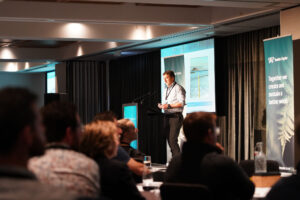
Energy resilience is a critical business issue. Rising energy costs, ageing infrastructure, climate-related disruptions and increasing electricity demand are changing how organisations think about energy. At the same time, the transition to lower-carbon energy systems is creating new opportunities to improve resilience, reduce costs and support long-term sustainability goals. In the latest episode of the Rethinking EHS podcast, Tonkin + Taylor’s Group Innovation Programme Director, David Wyllie, joins Angie Dickson, President of Inogen Alliance, and Sofiane Kessouar of Baden Consulting for a global discussion on energy resilience.
Why energy resilience matters
Businesses today face a complex energy landscape. Rising operating costs, grid instability, climate-related risks and growing electricity demand from technologies such as artificial intelligence are placing greater pressure on energy systems. For organisations, energy resilience is not simply about keeping the lights on. It is about maintaining business continuity, managing costs and building confidence that operations can continue during disruption. Throughout the episode, the speakers discuss how organisations can strengthen resilience while balancing three priorities: reliability, affordability and sustainability.
Practical strategies for a changing energy landscape
Drawing on experience from New Zealand, Europe and global markets, the discussion explores practical ways organisations can improve energy resilience.
Topics include:
- Improving energy efficiency to reduce demand and operating costs
- Integrating renewable energy into business operations
- Using distributed generation to improve flexibility
- Investing in battery storage and emerging energy technologies
- Adopting smarter energy management systems to optimise performance
Sustainability and resilience go hand in hand
One of the key themes throughout the episode is that energy resilience and sustainability are increasingly interconnected. Organisations that understand how they use energy are better placed to reduce emissions, improve operational resilience and identify opportunities for long-term value. Rather than viewing sustainability as a separate objective, businesses can integrate energy planning into broader resilience and decarbonisation strategies. This enables organisations to respond more effectively to changing market conditions while supporting environmental and commercial outcomes.
The conversation also highlights that there is no universal solution. Every organisation has different operational requirements, energy profiles and local market conditions, so a tailored approach is essential.
As Sofiane Kessouar explains:
“The biggest challenge is that there is absolutely no one-size-fits-all solution. You are dealing with a fragmented world.”
David Wyllie also highlights how rapidly renewable technologies are evolving:
“The cost of renewables is dropping much faster than most people realise, and the cost of battery storage is dropping at a pace that many clients don’t realise either.”
How Tonkin + Taylor supports renewable energy projects
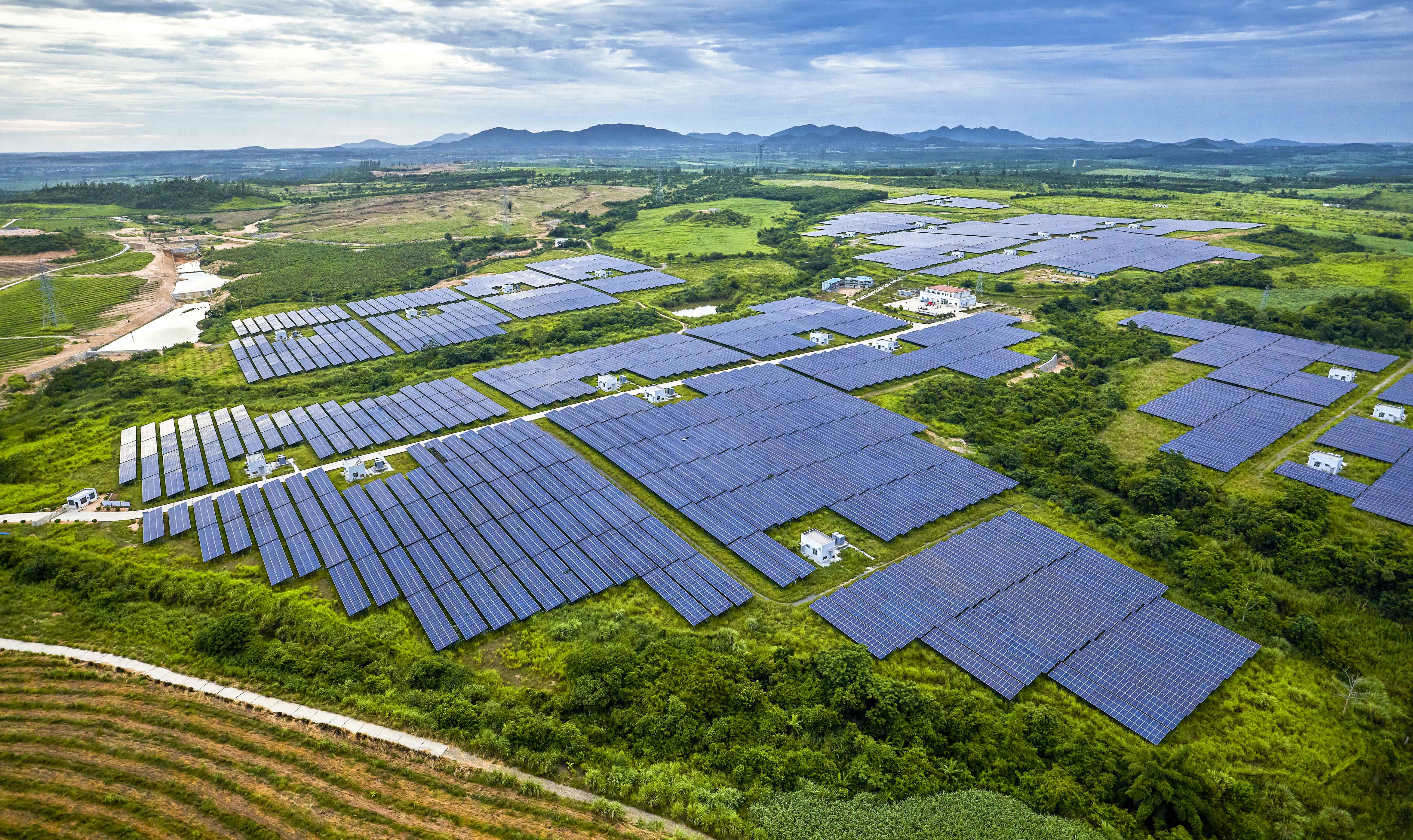
- Solar farm development
- Resource consenting + planning
- Geotechnical engineering
- Civil + structural design
- Hydrology + stormwater management
- Natural hazard + seismic assessments
- Environmental + stakeholder management
We help clients navigate complex regulatory frameworks while delivering resilient, buildable and locally compliant projects.
David Wyllie
Group Innovation Programme Director | Tonkin + Taylor
Listen to more episodes on Rethinking EHS
Podcast brought to you by