











Is sustainable finance a temporary label for fixing a broken system? What if its greatest value is not cheaper finance, but the discipline it brings to the borrower?
And what if finance is not the hero of the climate transition, but a valuable mechanism for supporting good design, sound engineering judgement and whole-of-life performance that are baked in from the start?
These uncomfortable questions reveal a critical truth. To deliver resilient, low-cost, and truly sustainable infrastructure, our focus must shift from the final funding decision to the first design conversation.
Sustainable finance is a discipline, not a discount
The real power of sustainable finance lies not in marginal price benefits but in its role as a commitment device. Tying funding to measurable performance targets creates accountability that outlasts political cycles and shifting priorities. Borrowers see this as the primary benefit. It is like publicly declaring you are running a marathon, which makes it harder to back out.
Good design is the primary intervention
Finance can reinforce a good project, but it cannot rescue a mediocre one. If whole-of-life cost, resilience, and climate impact are not embedded in the initial brief and concept design, the opportunity is lost by the time the project reaches a credit committee.
This is where sustainability-savvy engineers have the greatest impact. They often deliver less engineering and cheaper outcomes by designing waste out and positive benefits in from day one.
Long-term owners should define success
A critical distinction exists between debt and equity. Lenders are often focused on the construction phase, but long-term equity owners cannot escape the asset’s performance over its entire life. They are directly exposed to operational costs, climate resilience, and long-term risks, which makes them inherently interested in resilient and efficient design.
Future private-sector owners, such as InfraKiwi, will only want assets designed to be sustainable, resilient, and future-fit.
Adaptation is a governance crisis in waiting
New Zealand faces a monumental climate adaptation challenge that our current structures are ill-equipped to handle. While local councils are capable and closely connected to community needs, they lack the balance sheets to fund the scale of work required.
Alongside the continuing direction of local government reform, this points to an inevitable need for central government and private capital to play a far larger role. The downside may be more one-size-fits-all solutions rather than tailored approaches reflecting local context and community priorities.
What good growth looks like
- Focusing on discipline over discounts.
- Intervening in design before finance.
- Empowering long-term owners to demand better performance.
- Building the national leadership required to confront our adaptation challenge head-on.
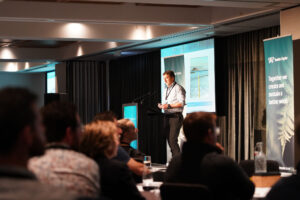
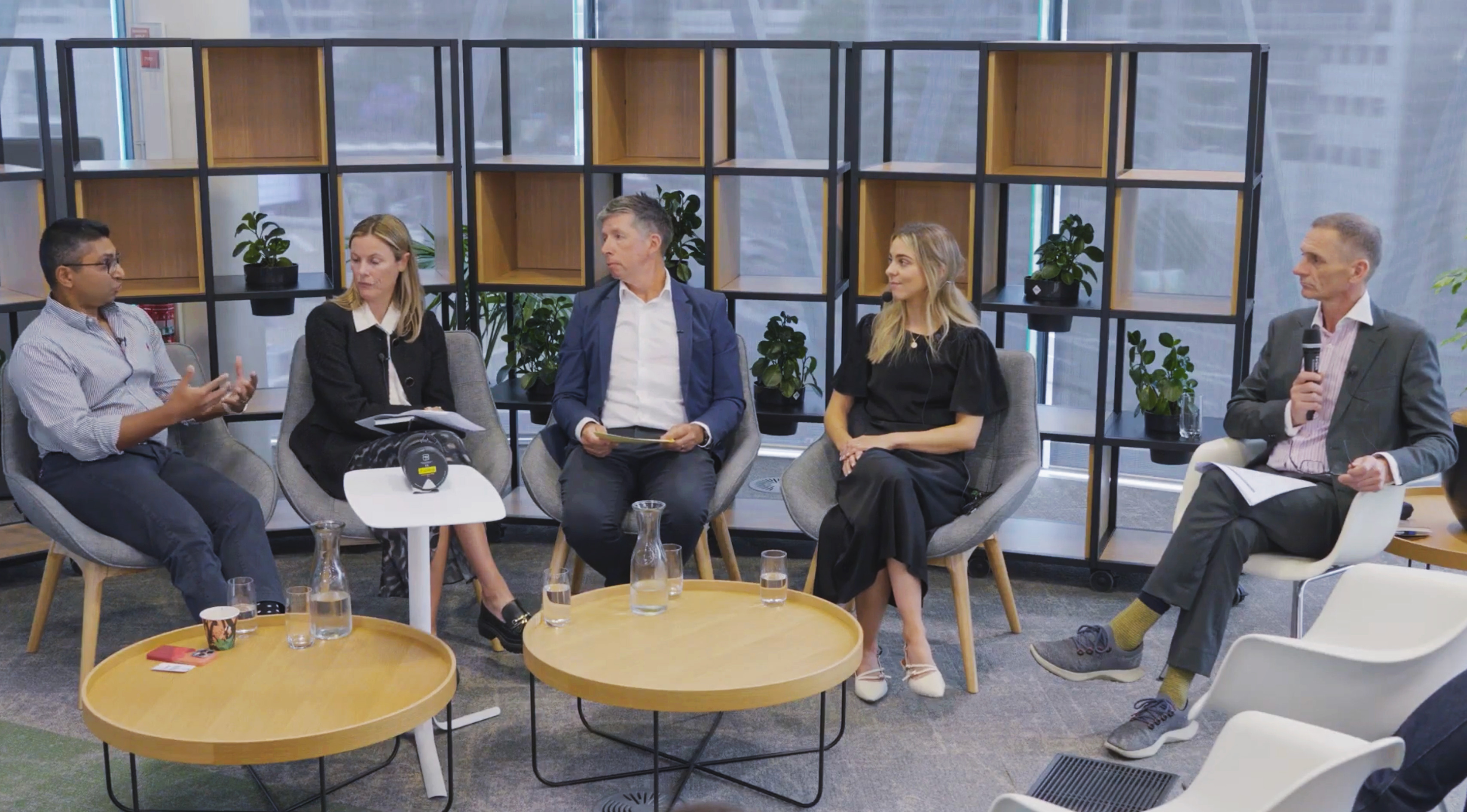
At our most recent Good Growth Sustainable Finance event, leaders Fran Burley from ANZ, Helen Mahoney from LGFA, James Paterson from ASB, and Shamubeel Eaqub from Simplicity and InfraKiwi explored how finance can accelerate better infrastructure investment and where its limits lie.
The goal should be for sustainable finance to disappear within 10 years, not because it has failed, but because its principles have become the default for every investment decision. What matters now is the ambition to design projects worthy of that future.
If we get those foundations right, finance will follow.
And that is what good growth looks like.
- 0:00 Commitment – What’s the benefit of aligning finance to sustainability KPI’s?
- 2:37 The Reckoning – Is ‘business as usual’ finance fundamentally broken?
- 5:50 Reset – How do we modernise finance for infrastructure right now?
- 11:24 Hard Choices: Financing climate adaptation – who’ll pay, and how much?
- 14:21 Next Practices: The way forward – what needs to change?
Read more about our first Good Growth Event here: Good Growth: Converging systems for a low-carbon future
About the Author
Simon Harvey | Principal Consultant – Strategic Sustainability, Tonkin + Taylor
Simon is a versatile sustainability specialist with a laser focus on practical approaches to strategy development, measurement and reporting that unlock new value. He has 20 years of experience working with small, medium, and large organisations in both the public and private sectors to develop informed responses to sustainability challenges that complement broader enterprise objectives.