

Improving community resilience to coastal hazards and the effects of climate change doesn’t have to rely on hard-engineered solutions. We can often achieve suitable outcomes by replicating or adapting natural systems to provide coastal protection. This depends on understanding the local environment over time on-site and engaging with local communities.
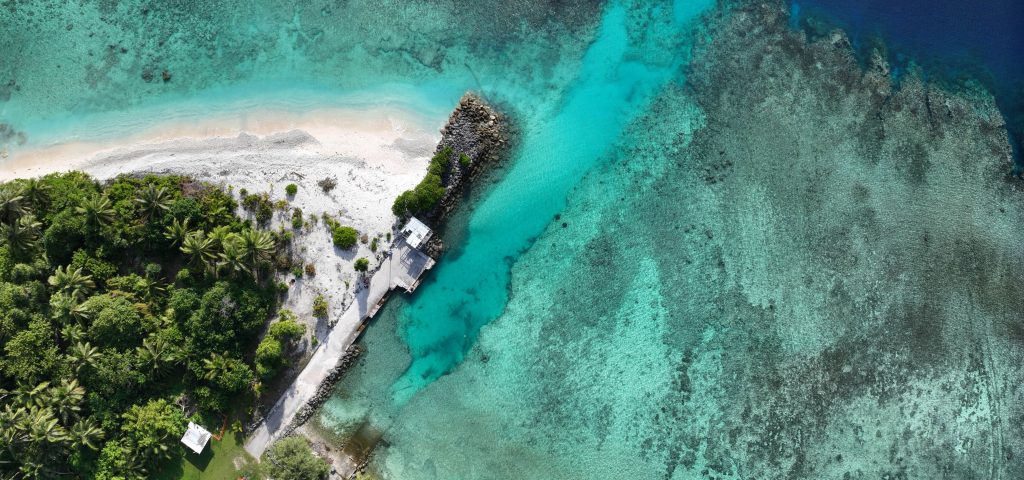
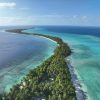
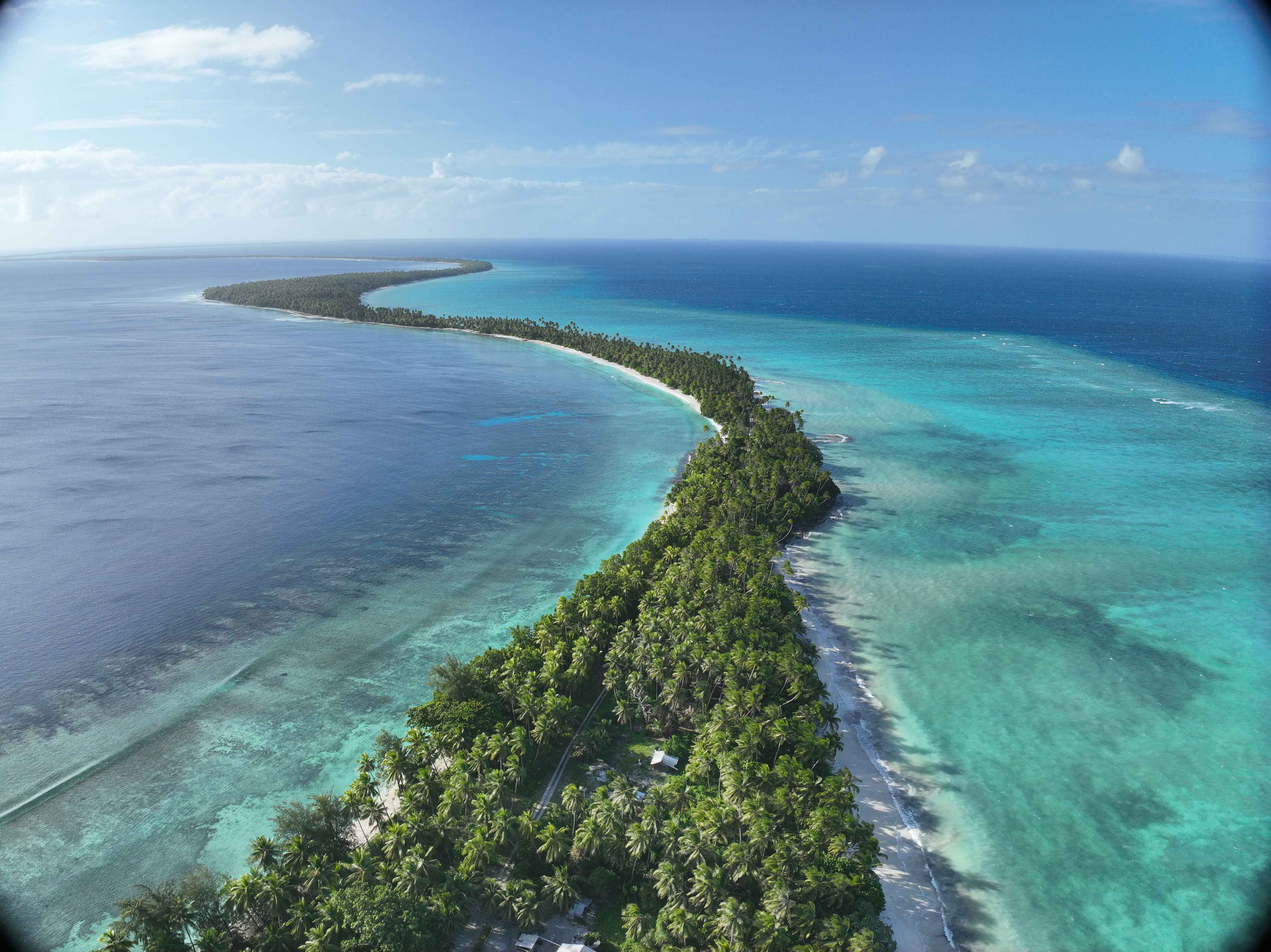
Tonkin + Taylor has recently supported the Government of the Marshall Islands, through the World Bank-funded Pacific Resilience Project Phase II (PREP II), to develop Nature-based Solutions (NbS) for coastal resilience on several outer atoll islands. These communities are particularly exposed to climate change because they are built on unconsolidated land elevated 1–2 m above the tide.
Remote atoll villages also have limited access to construction materials and equipment, which, combined with low population density, can challenge the economics of conventional engineering works. Despite these challenges, atoll communities have an inherent resilience built from generations of adapting to environmental change. This deep traditional knowledge of interconnected atoll systems provides a foundation for identifying nature-inspired solutions that work with the local ecology, oceanography, geomorphology, and social landscapes.
Nature-based solutions for coastal protection are a well-established concept, and the application of NbS on atolls is of increasing interest to governments and donors. However, very limited guidance exists to support option evaluation and design, and few field trials have been established or independently monitored.
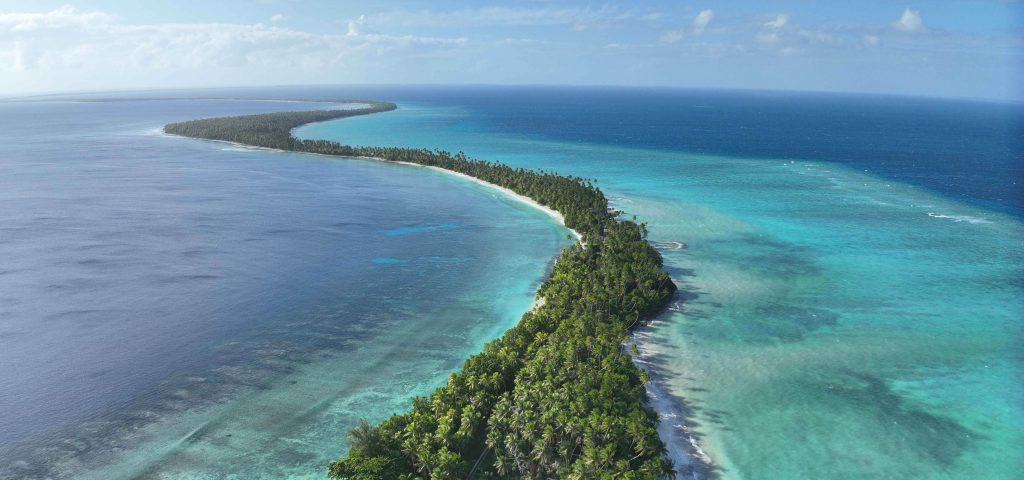
Understanding local context
Successfully selecting and implementing NbS requires a deep appreciation of the local environment, hazards, processes, and the community, including its values, experiences, and aspirations.
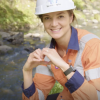
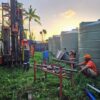
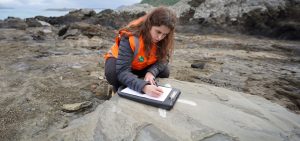
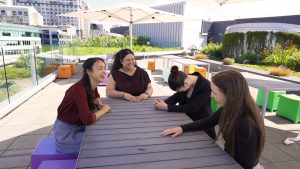
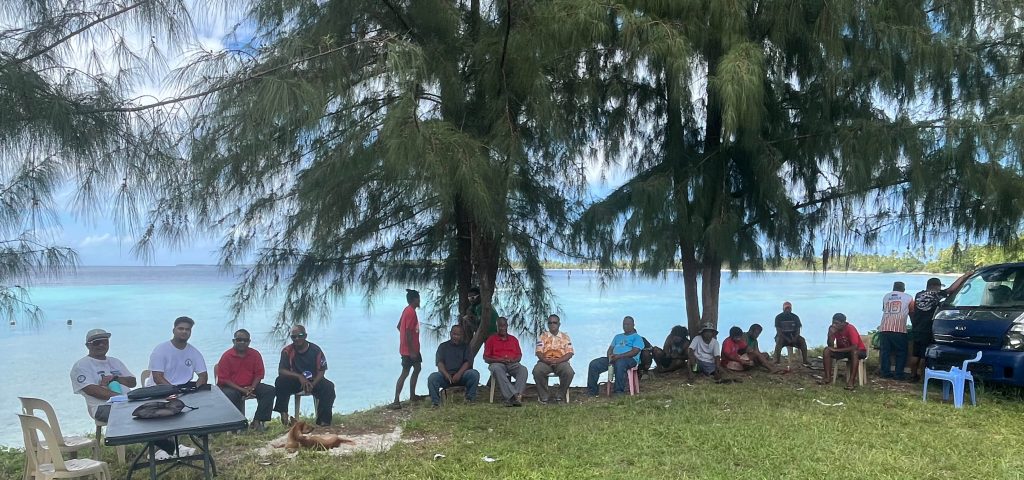
Coastal engineering and geomorphology specialists from Tonkin + Taylor, along with local engagement and environmental specialists, travelled to the outer islands to collect data and better understand the environments and communities. Tide gauges were installed, and topographic surveying, aerial drone survey, and visual inspection were undertaken to assess the natural and built environment. Discussions with communities to understand their way of life, values, and experiences of past events, storms, king tides, and shoreline movements. Hazard modelling by specialists at Tonkin + Taylor and Deltares used this information to predict how extreme events and future sea-level rise could affect communities and to prioritise sites.
Dr Eddie Beetham, Coastal Geomorphologist: “It is so important to spend time with the local community to gain insight into their traditional knowledge about the environment and how coastal change is impacting people. We had an amazing group of local partners to facilitate this process. A critical part of this work is to validate our data-driven assessments and geomorphic observations of erosion, accretion, flooding, and wave overtopping with the lived experience of communities on the ground.”
Developing options
As NbS work with existing natural systems, their effectiveness and performance depend heavily on local environmental conditions. Site-specific suitability, adaptive management, and ongoing maintenance and monitoring are therefore critical to long-term success.
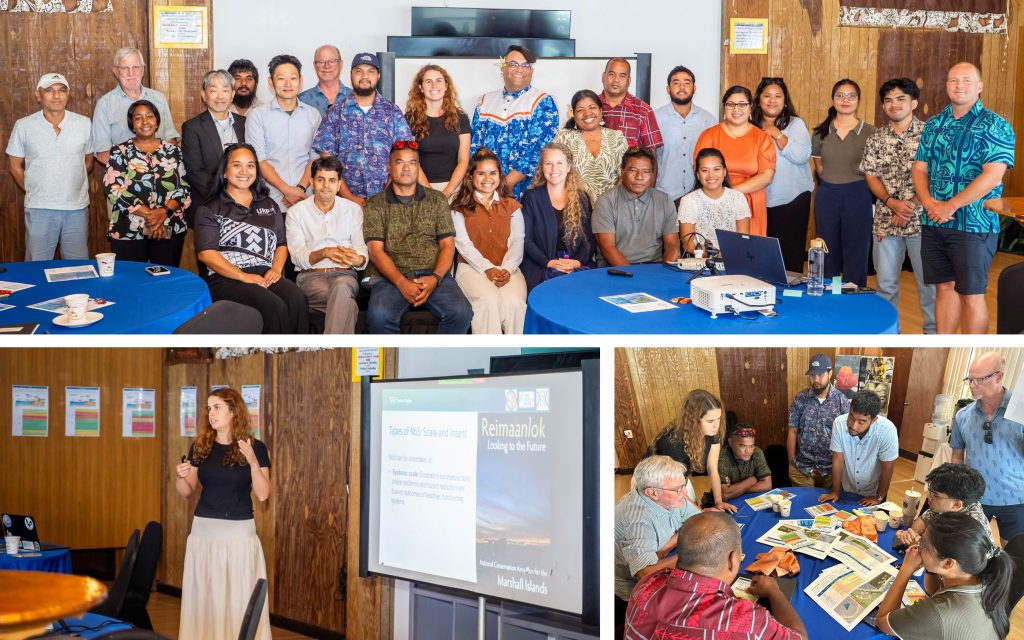
A key contribution of this project was the development of an evaluation framework by Tonkin + Taylor to identify which NbS options would be suitable for specific locations. The framework considered each site’s local environment and hazard exposure, then evaluated each option’s suitability, hazard mitigation, and broader social and environmental impacts. Using this framework, workshops were held with local atoll leadership, government stakeholders, and technical experts to evaluate options for each site.
Holly Blakely, Coastal Engineer and NbS specialist: “One of the most rewarding parts of the project was exploring the NbS options alongside the local community. Their local knowledge and perspectives helped us better understand which options were most appropriate for different sites and why. The discussions created a shared understanding not only of the strengths and limitations of individual NbS options, but also of the broader opportunities and challenges associated with using NbS for coastal adaptation”
Designing solutions
For each site, solutions were developed for the specific local conditions and hazard exposure. All options sought to maximise the use of local materials and local labour. However, a lack of design guidance for NbS means that designs are inherently experimental, with long-term success hinging on monitoring, regular maintenance, and ongoing adaptation based on learning. Monitoring and adaptation plans were therefore developed to support this and allow local communities to maintain ownership over the projects.
Dr Tom Shand, Team Leader: “Developing solutions that work with nature to reduce hazards provides a useful alternative to traditional engineered structures, particularly in remote atoll environments. However, successful implementation requires a deep understanding of coastal processes, the ability to connect with local communities, and the ability to design solutions from first principles. I’m really proud of what our team have been able to achieve for the people of the Marshall Islands.”